


















AKNP01.jpg

Qualifies for Free Shipping on orders of $150 or more!

Take Charge - Cleanse and Detox Program

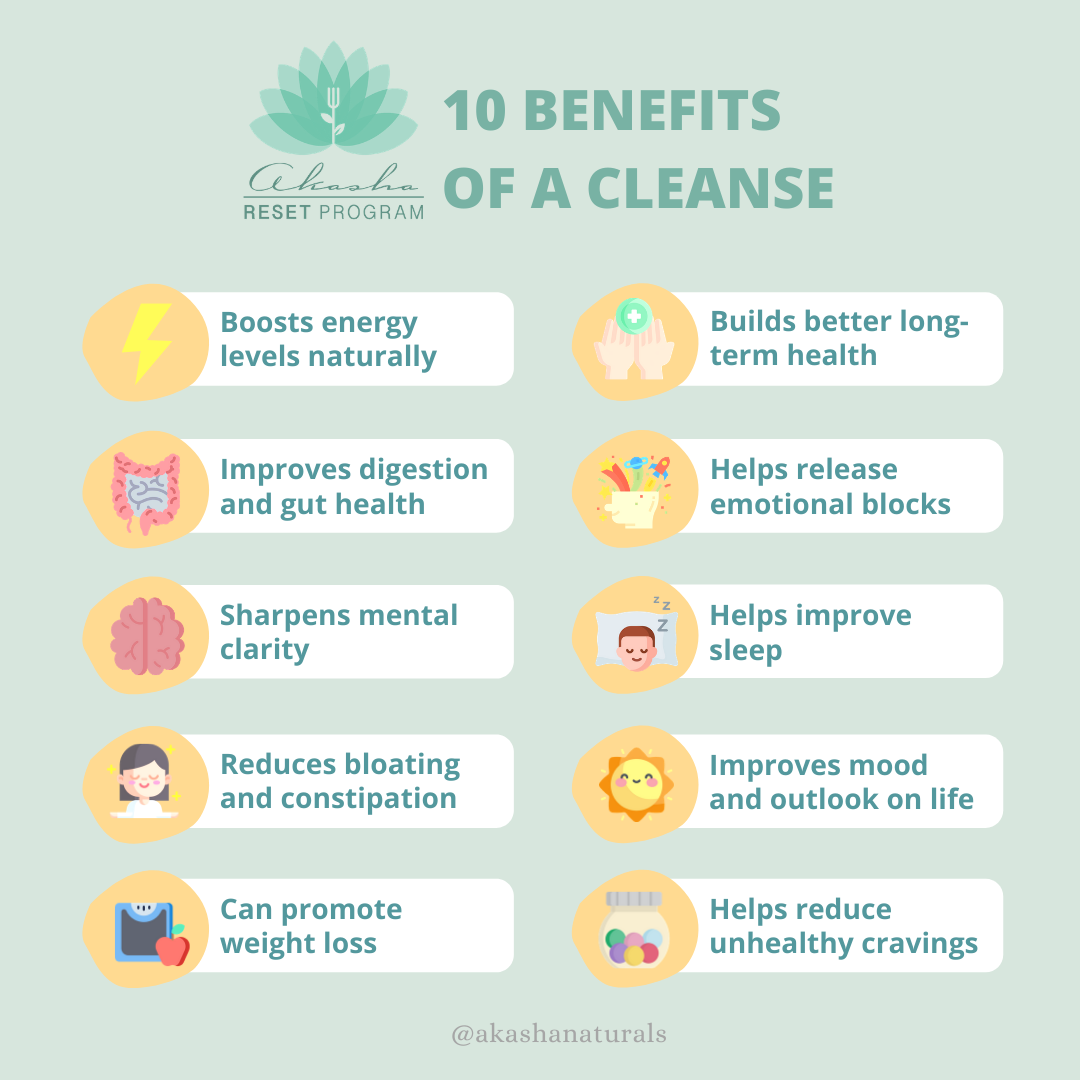
A supplement program that supports your body's natural processes for detoxifying and cleansing while you continue to live your daily life, without fasting.

Medically engineered components
Click on each product for details:

Priced Individually: $175.00
Program Price: $150.00

Add to Cart

Detox your system and jump-start your health with the latest science, without fasting.

detox01.jpgEver since you were born, your body and mind have been working overtime processing, detoxifying and digesting. And like any system, it needs to be cleansed and re-set to be most effective. Akasha’s three-week Take Charge Cleanse program, based on the latest medical research, gives your systems a restorative break while you continue to live your daily life. Our easy-to-follow program, supported by supplements, jump-starts your wellness plan by resetting and optimizing your body’s natural cleansing processes

Listen. What’s your body telling you?

Did you know your body talks to you? That it tells you what it needs and when it needs it? Its language is called symptoms. What happens when we don’t listen is called chronic disease. Do you ache somewhere: your stomach, joints, muscles, head? Feel “off” and fatigued too often? The Akasha Cleanse helps you interpret these messages and take an active role in your own well-being.

Toxic overload: a fact of modern life

Why cleanse? Because your body’s natural cleansing systems work constantly to detoxify the chemicals you’re exposed to in the air you breathe, the food you eat, and the environment. On top of this are the toxic byproducts of normal metabolism (like free radicals) amplified by our stressful lives and the aging process. When your overtaxed systems go into toxic overload, you feel less than 100%, and can be at risk for chronic illness like cancer and heart disease.

THE SUPPLEMENTS: ROLE, RATIONALE AND RECOMMENDED DOSAGE

BY Dr. Edison DeMello

detox02.jpgEach of the supplements, probiotics and nutritiounal powders in the Take Charge® Cleanse program plays a role in supporting detoxification, as follows:

Chloromax: Binds to environmental toxins and promotes their elimination through your intestines. Dose: 2 softgels in the morning and 2 softgels in the evening.

Akasha Greens: A source of phytochemicals (natural plant nutrients), carotenoids and essential fatty acids. One scoop is equal to ten servings of fruits and vegetables, delivering a broad spectrum of antioxidants, as well as vitamins and minerals to your body. We recommend 1 scoop twice a day, added to your Vital Meal shake.

Vital Meal: A hypoallergenic plant based protein powder that contains vitamins, minerals, other nutrients such as chlorella, DHA dervived form algae, probiotics and digestive enzymes to support daily nutrition and detoxification. Drink a shake with three scoops twice a day - blended with fresh fruit, Chia Seeds (1 scoop) and Akasha Greens (1 scoop).

Chia Seeds: Rich in fiber, protein, minerals and Omega 3 fatty acids. Be sure to store in the refriderator after opening. Dose: 1 scoop in your Vital Meal shake

UltraFlora Plus: A potent and effective probiotic supplement that will support the integrity of the mucusal lining in the intestines for better assimilation of nutrients, elimination of waste and reduction of intestinal inflammation.

Liver Detox: A liquid herbal extract in a softgel providing ingredients such as Milk Thistle, Dandelion and Yellow Dock that will support the liver through the activation of detoxification enzymes.

Doctor-recommended health practices during supplement program.

During the three-week Take Charge® Cleanse we recommend that you follow the Akasha Anti-Inflammatory Diet (provided with purchase of Take Charge Cleanse Program), take the supplements as recommended, and drink a Vital Meal shake twice a day with Akasha Greens and Chia seeds.

You won’t go hungry. Far from it.

Detoxifying doesn’t mean suffering. We want you to eat well. You can even have lean lamb, free-range organic chicken, wild game and wild salmon, just no beef and pork, which are harder to process. Enjoy lots of nutrient-rich fruits and vegetables. You cut out dairy, gluten, sugar, bad fats and certain veggies that can cause inflammation. See the Akasha Anti-Inflammatory Diet.

Stretch. Go barefoot. Give hugs. All in the name of science.

Akasha’s brand of integrative medicine addresses the whole person. During your cleanse, focus on new ways to nurture your mind, body and spirit. Many scientific studies confirm the correlations between healthy functioning and practices like yoga, deep breathing, stretching, fun, laughter and touch.

Supporting your body’s natural cleansing systems

  1. Kidneys: Our kidneys are constantly filtering our blood, eliminating uric acid, urea, ammonia and other water- soluble toxins.
    • 8-12 glasses of filtered water everyday.
  1. Lungs: Our lungs take in oxygen and release carbon dioxide. Carbon Dioxide is a waste product of cellular respiration and takes place in almost every cell in the body.
    • Exercise! 40-60 minutes of exercise at least 5-days/week.
    • Yoga
    • Deep Breathing Exercises
  1. Intestine: Our intestines comprise both the small intestine and the large intestine, also known as our colon. Our small intestine is responsible for absorbing the nutrients in our food. Our colon is responsible for eliminating waste from our body. Together they host billions of bacteria that support our immune system and digestive health.
    • Eat fermented foods (good source of probiotics): Kimchi, Kombucha
    • Take your probiotic
    • Eat fiber: dark leafy green vegetables, beans, apples, berries, pears, whole grains, chia seeds, ground flaxseeds
    • Healthy oils: chia seeds, flaxseed oil, fish oil, borage oil, hemp oil
    • 8-12 glasses of water/day
    • Consider colonic irrigation to facilitate the elimination off stool from the colon.
  1. Skin: The largest elimination channel we have.
    • Make sure you’re sweating when exercising
    • Infrared Sauna: promotes detoxification of heavy metals and toxin and boosts the immune system
    • Contrast shower: end your shower with a burst of cold water
    • Dry skin brushing
    • Epson salt baths
  1. Liver: All internal and external toxins travel to the liver for detoxification. The liver processes all nutrients, hormones and drugs. It neutralizes and eliminates toxins so that they can be excreted through our colon, via the bile, or it make toxins water-soluble so that they can be eliminate by our kidneys.
    • Ultraclear & Cleansing supplements
    • Acupuncture
    • Liver supportive foods: beets, artichokes, dark leafy greens, tumeric
    • Castor oil pack over the liver
  1. The lymphatic System: Our lymphatic system carries waste products through a series of filters, the lymph nodes, where sick cells are disposed of and other toxins neutralized.
    • Massage
    • Yoga
    • Exercise
    • Acupuncture

Relevant Research Studies: Cleanse

Liver Cleanse:

  1. Gazák R, Walterová D, Kren V. Silybin and silymarin--new and emerging applications in medicine. Curr Med Chem. 2007;14(3):315-38.

http://www.ncbi.nlm.nih.gov/pubmed/17305535

*Quick Summary of Study: This study aims to further investigate the therapeutic properties of silymarin preparations beyond hepatoprotective nature. Numerous body systems were used in this study as a potential area of benefit from the cytoprotective and antioxidant properties of silybin, a main active constituent of silymarin remedies. The study concludes that in addition to silybin having a great capacity to modulate various cell-signaling pathways this substance may have a benevolent affect on pre- and/or carcinogenic cells.
Abstract
“This review critically surveys the literature published mainly within this millennium on the new and emerging applications of silybin (pure, chemically defined substance) and silymarin (flavonoid complex from Silybum marianum - milk thistle seeds). These compounds used so far mostly as hepatoprotectants were shown to have other interesting activities, e.g. anticancer and canceroprotective and also hypocholesterolemic activity. These effects were demonstrated in a large variety of illnesses of different organs, e.g. prostate, lungs, CNS, kidneys, pancreas and also in the skin protection. Besides the cytoprotective activity of silybin mediated by its antioxidative and radical-scavenging properties also new functions based on the specific receptor interaction were discovered. These were studied on the molecular level and modulation of various cell-signaling pathways with silybin was disclosed--e.g. NF-kappaB, inhibition of EGFR-MAPK/ERK1/2 signaling, activity upon Rb and E2F proteins, IGF-receptor signaling. Proapoptotic activity of silybin in pre- and/or cancerogenic cells and anti-angiogenic activity of silybin are other important findings that bring silymarin preparations closer to respective application in the cancer treatment. Discovery of the inhibition and modulation of drug transporters, P-glycoproteins, estrogenic receptors, nuclear receptors by silybin and some of its new derivatives contribute further to the better understanding of silybin activity on the molecular level. Silymarin application in veterinary medicine is reviewed as well. Recent works using optically pure silybin diastereomers clearly indicate extreme importance of the use of optically active silybin namely in the receptor studies. Significance of silymarin and its components in the medicine is clearly indicated by an exponential growth of publications on this topic--over 800 papers in the last 5 years.” (1.)

  1. Lieber CS, Leo MA, Cao Q, Ren C, DeCarli LM. Silymarin retards the progression of alcohol-induced hepatic fibrosis in baboons.  J Clin Gastroenterol. 2003 Oct;37(4):336-9.

http://www.ncbi.nlm.nih.gov/pubmed/14506392

*Quick Summary of Study: This study was conducted on 12 non-human primates who were fed alcohol (and a sufficient diet) with or without silymarin for 3 years in order to determine the harm or benefit that this substance may serve. The study concludes that silymarin preparations had a positive benefit within the group in that it helped to retard the bodily harm from regular alcohol consumption. In addition the study suggests that previous studies showing little or no benefit may have show shown positive results had the therapeutic dose been standardized.
Abstract
“GOAL/BACKGROUND: Hepatoprotective effects of silymarin in patients with alcoholic liver disease are controversial. For strict control, this was assessed in non-human primates. STUDY Twelve baboons were fed alcohol with or without silymarin for 3 years with a nutritionally adequate diet. RESULTS: Silymarin opposed the alcohol-induced oxidative stress (assessed by plasma 4-hydroxynonenal) and the rise in liver lipids and circulating ALT. Alcohol also increased hepatic collagen type I by 50% over the 3 years with a significant rise in mRNA for alpha1 (I) procollagen, both prevented by silymarin. There were corresponding morphologic changes: at 36 months, 2 of 6 animals fed alcohol had cirrhosis and 2 septal fibrosis, with perivenular fibrosis in 2, whereas with alcohol + silymarin, there was only 1 cirrhosis and 1 septal fibrosis, with perivenular fibrosis in 2, and virtually no lesions in the remaining 2. CONCLUSIONS: Silymarin retards the development of alcohol-induced hepatic fibrosis in baboons, consistent with several positive clinical trials. The negative outcome observed in other trials possibly reflects poor compliance resulting in irregular or low silymarin intake. Thus, in view of the innocuity of silymarin, it might be advisable in future clinical studies to insure the controlled administration of sufficient amounts of silymarin.” (2)
PMID:14506392

  1. Ghosh N, Ghosh R, Mandal V, Mandal SC. Recent advances in herbal medicine for treatment of liver diseases. Pharm Biol. 2011 Sep;49(9):970-88.

http://www.ncbi.nlm.nih.gov/pubmed/21595500
*Quick Summary of Study:  This study aims to offer clarity as to whether or not medicinal botanicals offer some benefit for liver ailments. The study concludes with a list of known phyto-chemicals that have antioxidant and hepatoprotective activity, thus medicinal plants do have a therapeutic benefit for those suffering from liver ailments.
Abstract
“Context: Liver disease is a serious ailment and the scenario is worsened by the lack of precise therapeutic regimens. Currently available therapies for liver ailments are not apposite and systemic toxicity inhibits their long term use. Medicinal plants have been traditionally used for treating liver diseases since centuries as the toxicity factor appears to be on the lower side. Objective: Several phytochemicals have been identified which have significant hepatoprotective activity with minimal systemic adverse effects which could limit their long term use. The scenario calls for extensive investigations which can lead to development of lead molecules for hepatoprotective molecules of future. This review deals with the biological activity, mode of action and toxicity and forthcoming application of some of these leads. Methods: These generally have strong antioxidative potential and cause induction of antioxidant enzymes like superoxide dismutase, reduced glutathione and catalase. Additional mechanisms of hepatoprotection include stimulation of heme oxygenase-1 activity, inhibition of nitric oxide production, hepatocyte apoptosis and nuclear factor-κB activation. Results and conclusion: Out of the several leads obtained from plant sources as potential hepatoprotective agents, silymarin, andrographolide, neoandrographolide, curcumin, picroside, kutkoside, phyllanthin, hypophyllanthin, and glycyrrhizin have been established as potent hepatoprotective agents. The hepatoprotective potential of several herbal medicines has been clinically evaluated. Significant efficacy has been seen with silymarin, glycyrrhizin and Liv-52 in treatment of hepatitis, alcoholic liver disease and liver cirrhosis.” (3)
PMID: 21595500

  1. Domitrović R, Jakovac H, Romić Z, Rahelić D, Tadić Z. Antifibrotic activity of Taraxacum officinale root in carbon tetrachloride-induced liver damage in mice. J Ethnopharmacol. 2010 Aug 9;130(3):569-77.

http://www.ncbi.nlm.nih.gov/pubmed/20561925

*Quick Summary: This study focuses on the potential therapeutic benefit of Dandelion in mice with liver damage. The study suggests that Dandelion has a effect of protecting the liver and also enhancing hepatic regenerative properties.
Abstract
“AIM OF THE STUDY: Dandelion (Taraxacum officinale) has been traditionally used in the treatment of various liver disorders. The present study was aimed to assess the efficacy of dandelion root water-ethanol extract (DWE) in carbon tetrachloride (CCl(4))-induced hepatic fibrosis.
MATERIALS AND METHODS: The mice were treated with CCl(4) dissolved in olive oil (20%, v/v, 2 ml/kg) intraperitoneally (i.p.), twice a week for 4 weeks. DWE was administered i.p. once daily for next 10 days, in doses of 200 and 600 mg/kg of body weight. The degree of hepatic fibrosis was determined by hydroxyproline content and Mallory trichrome staining. Oxidative stress was determined by measuring hepatic superoxide dismutase (Cu/Zn SOD) activity. The expression and specific tissue distribution of glial fibrillary acidic protein (GFAP), alpha-smooth muscle actin (alpha-SMA), and metallothionein (MT) I/II in the liver were determined by immunohistochemistry.
RESULTS: Hepatic Cu/Zn SOD activity has been decreased in intoxicated mice and normalized in DWE treated groups. MT I/II immunopositivity was strongly reduced in the CCl(4) group. DWE treatment successfully decreased hepatic fibrinous deposits, restored histological architecture, and modulate the expression of GFAP and alpha-SMA. Concomitantly, MT I/II expression increased in the DWE treated groups.
CONCLUSIONS: Our results suggest the therapeutic effect of DWE on CCl(4)-induced liver fibrosis by the inactivation of hepatic stellate cells and the enhancement of hepatic regenerative capabilities. The present results provide scientific evidence to substantiate the traditional use of Taraxacum officinale root in hepatic disorders.” (4)
PMID: 20561925

  1. Lone IA, Kaur G, Athar M, Alam MS. Protective effect of Rumex patientia (English Spinach) roots on ferric nitrilotriacetate (Fe-NTA) induced hepatic oxidative stress and tumor promotion response. Food Chem Toxicol. 2007 Oct;45(10):1821-9.

http://www.ncbi.nlm.nih.gov/pubmed/17517459

*Quick Summary of Study: This study focuses on Rumex patient L. and it potential therapeutic benefit with hepatic oxidative stress and tumor promotion response. The study concludes that Rumex patient L. has a great antioxidant properties and encourages hepatic proliferation in the animal model.
Abstract
“In this communication, we document the antioxidant potential of ethanolic extract of Rumex patientia L. (Polygonaceae) roots and its chemopreventive effects against Fe-NTA mediated hepatic oxidative stress, hepatotoxicity and tumor promotion response. The extract exhibited high polyphenolic content, potent reducing power and significantly scavenged free radicals (including several reactive oxygen species (ROS) and reactive nitrogen species (RNS)). The extract also significantly and dose dependently protected against oxidative damage to lipids and DNA. These results indicated R. patientia root extract to exert a potent antioxidant activity in vitro. The efficacy of extract was also evaluated in vivo and it was found to exert a potent protective affect in acute oxidative tissue injury animal model: ferric nitrilotriacetate (Fe-NTA) induced hepatotoxicity in mice. Administration of Fe-NTA (9 mg/kg body weight, i.p.) to mice led to a significant oxidative stress and allied damage in liver tissues and induced hyperproliferation. A significant depletion was observed in GSH content and enzymes implicated in its metabolism. Attenuation also occurred in activities of other hepatic antioxidant enzymes including SOD, CAT, and GPX. Fe-NTA also incited hyperproliferation response elevating ornithine decarboxylase activity and [(3)H]-thymidine incorporation into DNA. Histopathological investigations and liver function tests (LFT) indicated Fe-NTA to cause extensive hepatic damage. However, prophylactic treatment with R. patientia root extract at a dose regimen of 100-200mg/kg body weight for a week not only restored hepatic antioxidant armory close to normal, but also significantly precluded oxidative damage restoring normal hepatic architecture and levels of hepatic damage markers. The data obtained in the present study illustrates R. patientia roots to possess potent antioxidant and free radical scavenging activities and thwart oxidative damage and hyperproliferation in hepatic tissues.”
PMID: 17517459

CHIA SEEDs

  1. Poudyal H, Panchal SK, Waanders J, Ward L, Brown L. Lipid redistribution by α-linolenic acid-rich chia seed inhibits stearoyl-CoA desaturase-1 and induces cardiac and hepatic protection in diet-induced obese rats. J Nutr Biochem. 2011 Mar 22.

http://www.ncbi.nlm.nih.gov/pubmed?term=21429727

*Quick Summary of Study: This study clarifies the role that active omega fatty acids have on improving cardiovascular and liver function. The study concludes that the omega fatty acid ALA does have great benefit for heart and liver health in the animal model.
Abstract
“Chia seeds contain the essential fatty acid, α-linolenic acid (ALA). This study has assessed whether chia seeds attenuated the metabolic, cardiovascular and hepatic signs of a high-carbohydrate, high-fat (H) diet [carbohydrates, 52% (wt/wt); fat, 24% (wt/wt) with 25% (wt/vol) fructose in drinking water] in rats. Diets of the treatment groups were supplemented with 5% chia seeds after 8 weeks on H diet for a further 8 weeks. Compared with the H rats, chia seed-supplemented rats had improved insulin sensitivity and glucose tolerance, reduced visceral adiposity, decreased hepatic steatosis and reduced cardiac and hepatic inflammation and fibrosis without changes in plasma lipids or blood pressure. Chia seeds induced lipid redistribution with lipid trafficking away from the visceral fat and liver with an increased accumulation in the heart. The stearoyl-CoA desaturase-1 products were depleted in the heart, liver and the adipose tissue of chia seed-supplemented rats together with an increase in the substrate concentrations. The C18:1trans-7 was preferentially stored in the adipose tissue; the relatively inert C18:1n-9 was stored in sensitive organs such as liver and heart and C18:2n-6, the parent fatty acid of the n-6 pathway, was preferentially metabolized. Thus, chia seeds as a source of ALA induce lipid redistribution associated with cardioprotection and hepatoprotection.” (1)
PMID: 21429727

  1. Ulbricht C, Chao W, Nummy K, Rusie E, Tanguay-Colucci S, Iannuzzi CM, Plammoottil JB, Varghese M, Weissner W. Chia (Salvia hispanica): a systematic review by the natural standard research collaboration. Rev Recent Clin Trials. 2009 Sep;4(3):168-74.


*Quick Summary of Study: This review aimed to gain a cumulative understanding of the potential benefit chia seed has as a therapeutic agent. The review concludes that chia seed has a benefit with a myriad of common ailments.
Abstract
“OBJECTIVE: To evaluate the scientific evidence on chia (Salvia hispanica) including history, folkloric precedent, expert opinion, pharmacology, dosing, interactions, adverse effects, and toxicology. This review serves as a clinical support tool.
METHODS: Electronic searches were conducted in ten databases, 20 additional journals (not indexed in common databases), and bibliographies from 50 selected secondary references. No restrictions were placed on language or quality of publications. All literature collected pertained to efficacy in humans, dosing, precautions, adverse effects, use in pregnancy/lactation, interactions, alteration of laboratory assays, and mechanisms of action. Standardized inclusion/exclusion criteria are utilized for selection. Grades were assigned using an evidence-based grading rationale.
RESULTS: The available human and non-human studies show possible effectiveness for allergies, angina, athletic performance enhancement, cancer, coronary heart disease (CHD), heart attack, hormonal/endocrine disorders, hyperlipidemia, hypertension, stroke, and vasodilatation. Some evidence also suggests possible anticoagulant, antioxidant, and antiviral effects of Salvia hispanica.
CONCLUSION: There is limited evidence supporting the efficacy of Salvia hispanica for any indication; thus far, only two clinical studies have examined the effects of Salvia hispanica on cardiovascular disease (CVD) risk factors (including body weight). One study showed some effects on some CVD risk factors, while the other did not. Neither study showed any effects of Salvia hispanica on weight loss. However, the historical use of Salvia hispanica suggests that it is safe for consumption by nonallergic individuals. Further rigorous examination is warranted pertaining to the use of Salvia hispanica as a dietary supplement, as well as in the treatment or prevention of human disease.” (2)
PMID: 20028328
Expand+The American Journal of Clinical Nutritionwww.ajcn.org

  1. Denis Lairon, Nathalie Arnault, Sandrine Bertrais, Richard Planells, Enora Clero, Serge Hercberg and Marie-Christine Boutron-Ruault . Dietary fiber intake and risk factors for cardiovascular disease in French adults. Am J Clin Nutr. December 2005 vol. 82 no. 6 1185-1194

http://www.ajcn.org/content/82/6/1185.full?sid=20146fdd-19bc-4321-8eca-a54afa00a372

*Quick Summary of Study: This study aims to show the correlation between a high fiber diet and a reduction in cardiovascular ailments. The study shows that there is great benefit to a high fiber diet.

Abstract
“Background: Increased consumption of dietary fiber is widely recommended to maintain or improve health, but knowledge of the relation between dietary fiber sources and cardiovascular disease risk factors is limited.
Objective: We examined the relation between the source or type of dietary fiber intake and cardiovascular disease risk factors in a cohort of adult men and women.
Design: In a cross-sectional study, quintiles of fiber intake were determined from dietary records, separately for 2532 men and 3429 women. Age- and multivariate-controlled logistic models investigated the odds ratios of abnormal markers for quintiles 2-5 of fiber intake compared with the lowest quintile.
Results: The highest total dietary fiber and nonsoluble dietary fiber intakes were associated with a significantly (P < 0.05) lower risk of overweight and elevated waist-to-hip ratio, blood pressure, plasma apolipoprotein (apo) B, apo B:apo A-I, cholesterol, triacylglycerols, and homocysteine. Soluble dietary fiber was less effective. Fiber from cereals was associated with a lower body mass index, blood pressure, and homocysteine concentration; fiber from vegetables with a lower blood pressure and homocysteine concentration; and fiber from fruit with a lower waist-to-hip ratio and blood pressure. Fiber from dried fruit or nuts and seeds was associated with a lower body mass index, waist-to-hip ratio, and fasting apo B and glucose concentrations. Fiber from pulses had no specific effect.
Conclusion: Dietary fiber intake is inversely correlated with several cardiovascular disease risk factors in both sexes, which supports its protective role against cardiovascular disease and recommendations for its increased consumption.” (3)

  1. Anderson JW, Major AW. Pulses and lipaemia, short- and long-term effect: potential in the prevention of cardiovascular disease. Br J Nutr. 2002 Dec;88 Suppl 3:S263-71.

http://www.ncbi.nlm.nih.gov/pubmed/12498626?dopt=Abstract
*Quick Summary of Study: This study shows the relation between a high fiber diet and a significant reduction in risk for cardiovascular disease.  
Abstract
“Cardiovascular disease (CVD) is the leading cause of death in most developed countries. Most CVD deaths are preventable through life-style measures such as diet, exercise and avoidance of cigarette smoking. Decreased intake of saturated fat and cholesterol and increased intake of cholesterol-reducing foods, such as pulses, deserve a high priority for activities designed to prevent CVD. Epidemiological and observational studies indicate that habitual intakes of large amounts of dietary fibre or of vegetables are associated with significantly lower rates of CVD. Studies over four decades document the hypocholesterolaemic effect of pulses and soyabeans. We performed a meta-analysis of eleven clinical trials that examined the effects of pulses (not including soyabeans) on serum lipoproteins. Intake of non-soya pulses was associated with these changes: fasting serum cholesterol, -7.2 %, 95 % CI -5.8, -8.6 %; LDL-cholesterol, -6.2 %, 95 % CI -2.8, -9.5 %; HDL-cholesterol, +2.6 %, 95 % CI +6.3, -1.0 %; triacylglycerols, -16.6 %, 95 % CI -11.8 %, -21.5 %; and body weight, -0.9 %, 95 % CI +2.2 %, -4.1 %. The hypocholesterolaemic effects of pulses appear related, in estimated order of importance, to these factors: soluble dietary fibre, vegetable protein, oligosaccharides, isoflavones, phospholipids and fatty acids, saponins and other factors. Intake of pulses may also reduce risk for CVD by favourable effects on blood pressure, glycaemia and risk for diabetes, and risk for obesity. Overall, the available evidence indicates that regular consumption of pulses may have important protective effects on risk for CVD.” (4)
PMID:12498626   
Chlorophyllin

  1. Tachino N, Guo D, Dashwood WM, Yamane S, Larsen R, Dashwood R. Mechanisms of the in vitro antimutagenic action of chlorophyllin against benzo[a]pyrene: studies of enzyme inhibition, molecular complex formation and degradation of the ultimate carcinogen. Mutat Res. 1994;308(2):191-203.

http://www.ncbi.nlm.nih.gov/pubmed/7518046?dopt=Abstract

*Quick Summary of Study: This study helps to clarify the role chlorophyllin plays in neutralizing and eliminating carcinogenic constituents.
Abstract
Mechanisms of the antimutagenic action of chlorophyllin (CHL) towards benzo[a]pyrene (BP) were studied in vitro. In the Salmonella assay, CHL inhibited the mutagenic activity of BP in the presence of an S9 activation system and was particularly effective against the direct-acting ultimate carcinogen, benzo[a]pyrene-7,8-dihydrodiol-9,10-epoxide (BPDE). Spectral studies indicated that the time-dependent hydrolysis of BPDE to tetrols was augmented in the presence of CHL concentrations on the order of 5 microM. Dose-related inhibition of several cytochrome P450-dependent enzyme activities was observed upon addition of CHL to in vitro incubations. Spectral changes for the interaction between CHL and cytochrome P450 indicated that CHL does not bind to the active site of the enzyme, but exerts its inhibitory effect indirectly. This was achieved by inhibiting NADPH-cytochrome P450 reductase (Ki approximately 120 microM with cytochrome c as substrate), and did not involve lowering of the effective substrate concentration by complex formation with the procarcinogen. It is concluded that the in vitro antimutagenic activity of CHL towards BP involves accelerated degradation of the ultimate carcinogen, with inhibition of carcinogen activation occurring only at high CHL concentrations. The latter mechanism is unlikely to occur in vivo following p.o. administration due to the limited uptake of CHL from the gut, but tissue concentrations may be sufficiently high to cause degradation of BPDE.
PMID:7518046

  1. Egner PA, Munoz A, Kensler TW. Chemoprevention with chlorophyllin in individuals exposed to dietary aflatoxin. Mutat Res. 2003;523-524:209-216. 

http://www.ncbi.nlm.nih.gov/pubmed/12628519?dopt=Abstract

*Quick Summary of Study: This study shows how chlorophyllin helps to neutralize carcinogenic agents and reduce their bioavailability. Chlorophyllin showed significant benefits in aiding detoxification as compared to placebo.
Abstract
Because of the multiplicative interaction between dietary aflatoxins and hepatitis B virus infection in the etiology of liver cancer, efforts to reduce the consequences of either chemical or viral component are likely to have substantial public health benefit. Chlorophyllin (CHL), a water-soluble form of chlorophyll, was recently evaluated as a chemopreventive agent in a population at high risk for exposure to aflatoxin and subsequent development of hepatocellular carcinoma. CHL, which is used extensively as a food colorant and has numerous medicinal applications, is an effective anticarcinogen in experimental models including aflatoxin-induced hepatocarcinogenesis. CHL is thought to form molecular complexes with carcinogens, thereby blocking their bioavailability. In the clinical trial, administration of CHL three times a day led to a 50% reduction in the median level of urinary excretion of aflatoxin-N(7)-guanine compared to placebo. This excreted DNA adduct biomarker is derived from the ultimate carcinogenic metabolite of aflatoxin B(1), aflatoxin-8,9-epoxide, and is associated with increased risk of developing liver cancer in prospective epidemiologic studies. Compliance in the intervention was outstanding and no toxicities were observed. Thus, CHL has been found to be a safe and effective agent suitable for use in individuals unavoidably exposed to aflatoxins.
PMID:12628519

  1. Dashwood R, Yamane S, Larsen R. Study of the forces of stabilizing complexes between chlorophylls and heterocyclic amine mutagens. Environ Mol Mutagen. 1996;27(3):211-218.

   
http://www.ncbi.nlm.nih.gov/pubmed/8625957?dopt=Abstract

*Quick Summary of Study: This study offers evidence to support the idea that chlorophyllin in the diet can help to inhibit the malignant action of certain toxins and carcinogens.
Abstract   
Chlorophyllin (CHL), a water-soluble derivative of chlorophyll, forms molecular complexes with heterocyclic amine mutagens in vitro. In a previous study [Dashwood and Guo (1993): Environ Mol Mutagen, 22:164-171], we observed an inverse correlation between the binding constants of several mutagen-CHL complexes and the antimutagenic potency of CHL in the Salmonella assay. The present investigation utilized molecular mechanics methods of energy minimization and spectrophotometric titration to examine structural features of chlorophylls, chlorins, and porphyrins that might be important for complex formation with heterocyclic amines. The exocyclic amine group of the mutagen aligned consistently with acid groups in CHL, suggesting that H-bond or electrostatic interactions facilitate complex formation. Replacement of the exocyclic amine with a nitro group abrogated this specific orientation and raised the minimized energies of the complexes. No relationship was found between complex strength and the specific positions of amine or methyl groups on the mutagen. However, the presence of methyl groups increased the minimized energies and lowered the binding constants of the complexes, perhaps due to partial disruption of pi-pi interaction by steric effects. All of the compounds examined, including chlorophyll a, required the presence of pi-pi interactions to form stable complexes with the heterocyclic amines. In general, the present results were in agreement with the inhibitory potency of each compound in the Salmonella assay, and they provide further support for the hypothesis that chlorophylls in the diet might act as interceptor molecules of food-borne carcinogens and mutagens.
PMID:8625957

  1. Egner PA, Stansbury KH, Snyder EP, Rogers ME, Hintz PA, Kensler TW. Identification and characterization of chlorin e(4) ethyl ester in sera of individuals participating in the chlorophyllin chemoprevention trial. Chem Res Toxicol. 2000;13(9):900-906.

http://www.ncbi.nlm.nih.gov/pubmed/10995263?dopt=Abstract

*Quick Summary of Study: This study further confirms the role dietary chlorophyll has in binding to and eliminating toxins in the animal model.
Abstract
Chlorophyllin (CHL), a mixture of water soluble derivatives of chlorophyll, has been shown to be an effective inhibitor of aflatoxin B(1) (AFB(1)) carcinogenesis and AFB(1)-DNA adduct formation in rainbow trout and rats [Breinholt, V., Hendricks, J., Pereira, C., Arbogast, D., and Bailey, G. (1995) Cancer Res. 55, 57-62; Kensler, T. W., Groopman, J. D., and Roebuck, B. D. (1998) Mutat. Res. 402, 165-172]. The chemopreventive action of CHL has been previously attributed to molecular complexing. In 1997, a randomized, double-blind clinical trial of CHL was conducted in Qidong, Jiangsu Province, People's Republic of China. At the completion of the study, when serum samples were regrouped by subject identification number, it was noted that many of the participant samples were green in color. Using HPLC, ESI/MS, and MS/MS techniques, serum samples from individuals receiving CHL were found to contain previously unreported copper chlorin e(4) ethyl ester (CuCle(4) ethyl ester) as well as copper chlorin e(4) (CuCle(4)). Both chlorins originated in the study tablet, were absorbed into the bloodstream, and conferred a green color to the sera. This initial finding of in vivo absorption and bioavailability of two chlorin derivatives suggests that the mechanism of CHL chemoprevention may lie in the actions of these two components in vivo in addition to preventing carcinogen absorption from the gut.
PMID:10995263

Greens

  1. Guerrero-Beltrán CE, Mukhopadhyay P, Horváth B, Rajesh M, Tapia E, García-Torres I, Pedraza-Chaverri J, Pacher P. Sulforaphane, a natural constituent of broccoli, prevents cell death and inflammation in nephropathy. J Nutr Biochem. 2011; Jun 16.

http://www.ncbi.nlm.nih.gov/pubmed/21684138

*Quick Summary of Study: This study shows the benefit of phytochemicals, found in broccoli, on the renal system of an animal model. The animals were given a chemotherapy agent to treat various malignancies and sulforaphane aided this substance by reducing the damaging effects it has on the kidneys.
Abstract
Cisplatin (cis-diamminedichloroplatinum II, CIS) is a potent and widely used chemotherapeutic agent to treat various malignancies, but its therapeutic use is limited because of dose-dependent nephrotoxicity. Cell death and inflammation play a key role in the development and progression of CIS-induced nephropathy. Sulforaphane (SFN), a natural constituent of cruciferous vegetables such as broccoli, Brussels sprouts, etc., has been shown to exert various protective effects in models of tissue injury and cancer. In this study, we have investigated the role of prosurvival, cell death and inflammatory signaling pathways using a rodent model of CIS-induced nephropathy, and explored the effects of SFN on these processes. Cisplatin triggered marked activation of stress signaling pathways [p53, Jun N-terminal kinase (JNK), and p38-α mitogen-activated protein kinase (MAPK)] and promoted cell death in the kidneys (increased DNA fragmentation, caspases-3/7 activity, terminal deoxynucleotidyl transferase-mediated uridine triphosphate nick-end labeling), associated with attenuation of various prosurvival signaling pathways [e.g., extracellular signal-regulated kinase (ERK) and p38-β MAPK]. Cisplatin also markedly enhanced inflammation in the kidneys [promoted NF-κB activation, increased expression of adhesion molecules ICAM and VCAM, enhanced tumor necrosis factor-α (TNF-α) levels and inflammatory cell infiltration]. These effects were significantly attenuated by pretreatment of rodents with SFN. Thus, the cisplatin-induced nephropathy is associated with activation of various cell death and proinflammatory pathways (p53, JNK, p38-α, TNF-α and NF-κB) and impairments of key prosurvival signaling mechanisms (ERK and p38-β). SFN is able to prevent the CIS-induced renal injury by modulating these pathways, providing a novel approach for preventing this devastating complication of chemotherapy.
PMID: 21684138

  1. Queiroz ML, Rodrigues AP, Bincoletto C, Figueirêdo CA, Malacrida S. Protective effects of Chlorella vulgaris in lead-exposed mice infected with Listeria monocytogenes. Int Immunopharmacol. 2003 Jun;3(6):889-900.

http://www.ncbi.nlm.nih.gov/pubmed/12781705

*Quick Summary of Study: This study shows the chelating capacity that Chlorella vulgaris obtains when introduced into an animal system with lead toxicity. Conclusively, Chlorella vulgaris played an important role in safely removing lead from the body of the animal model.

Abstract
Chlorella vulgaris extract (CVE) was examined for its chelating effects on the myelosuppression induced by lead in Listeria monocytogenes-infected mice. The reduction in the number of bone marrow granulocyte-macrophage progenitors (CFU-GM) observed after the infection was more severe in the groups previously exposed to lead. Extramedullar hematopoiesis, which was drastically increased after the infection, was not altered by the presence of lead. Treatment with CVE, given simultaneously or following lead exposure, restored to control values the myelosuppression observed in infected/lead-exposed mice and produced a significant increase in serum colony-stimulating activity. The benefits of the CVE treatment were also evident in the recovery of thymus weight, since the reduction produced by the infection was further potentiated by lead exposure. The efficacy of CVE was evident when infected and infected/lead-exposed mice were challenged with a lethal dose of L. monocytogenes after a 10-day treatment with 50 mg/kg CVE/day, given simultaneously to the exposure to 1300 ppm lead acetate in drinking water. Survival rates of 30% for the infected group and of 20% for the infected/lead-exposed groups were observed. Evidence that these protective effects of CVE are partly due to its chelating effect was given by the changes observed in blood lead levels. We have observed in the group receiving the CVE/lead simultaneous exposure a dramatic reduction of 66.03% in blood lead levels, when compared to lead-exposed nontreated control. On the other hand, CVE treatment following lead exposure produced a much less effective chelating effect. CVE treatments for 3 or 10 days, starting 24 h following lead exposure, produced a reduction in blood lead levels of 13.5% and 17%, respectively, compared to lead-exposed nontreated controls. The significantly better response observed with the simultaneous CVE/lead administration indicates that the immunomodulation effect of CVE plays an important role in the ability of this algae to reduce blood lead levels. In this regard, additional experiments with gene knockout C57BL/6 mice lacking a functional IFN-gamma gene demonstrated that this cytokine is of paramount importance in the protection afforded by CVE. The antibacterial evaluation measured by the rate of survival demonstrated that, in face of a 100% survival in the control group composed of normal C57BL/6 mice, which are resistant to L. monocytogenes, we observed no protection whatsoever in the IFN-gamma knockout C57BL/6 mice treated with CVE and inoculated with L. monocytogenes.
PMID:12781705

  1. Stoner GD, Wang LS, Seguin C, Rocha C, Stoner K, Chiu S, Kinghorn AD. Multiple berry types prevent N-nitrosomethylbenzylamine-induced esophageal cancer in rats. Pharm Res. 2010 Jun;27(6):1138-45.

http://www.ncbi.nlm.nih.gov/pubmed/20232121

*Quick Summary of Study: Phytochemicals in berries known as antioxidants play a beneficial role in preventing and reducing tumor progression in an animal model.
Abstract
PURPOSE: The present study compared the ability of different berry types to prevent chemically-induced tumorigenesis in the rat esophagus. We also determined if berries influence the levels of inflammatory cytokines in the serum of carcinogen-treated rats.
METHODS: Rats were treated with the carcinogen N-nitrosomethylbenzylamine (NMBA) for 5 weeks, then placed on diets containing 5% of either black or red raspberries, strawberries, blueberries, noni, açaí or wolfberry until the end of the study. The effects of the berries on tumor incidence, multiplicity and size were determined, as well as their effects on the levels of selected inflammatory cytokines in serum.
RESULTS: All berry types were about equally effective in inhibiting NMBA-induced tumorigenesis in the rat esophagus. They also reduced the levels of the serum cytokines, interleukin 5 (IL-5) and GRO/KC, the rat homologue for human interleukin-8 (IL-8), and this was associated with increased serum antioxidant capacity.
CONCLUSIONS: Seven berry types were about equally capable of inhibiting tumor progression in the rat esophagus in spite of known differences in levels of anthocyanins and ellagitannins. Serum levels of IL-5 and GRO/KC (IL-8) may be predictive of the inhibitory effect of chemopreventive agents on rat esophageal carcinogenesis.
PMID:20232121

  1. Sabine Rohrmann, Edward Giovannucci, Walter C Willett and Elizabeth A Platz. Fruit and vegetable consumption, intake of micronutrients, and benign prostatic hyperplasia in US men. American Journal of Clinical Nutrition, Vol. 85, No. 2, 523-529, February 2007

http://www.ajcn.org/content/85/2/523.full?sid=00696598-a4a0-41c9-8d77-e058898c29d7

*Quick Summary of Study: Micronutrients found in fruits and vegetables help to reduce the occurrence of benign prostatic hyperplasia in American Men.
Abstract
Background: Nutrients with antioxidant properties or that influence cell growth and differentiation might reduce the risk of benign prostatic hyperplasia (BPH).
Objective: The objective was to evaluate the association of fruit, vegetable, and micronutrient intakes with BPH.
Design: The participants were members of the Health Professionals Follow-Up Study and were aged 46–81 y in 1992. In 1992 and biennially thereafter, the men reported having surgery for an enlarged prostate, and in 1992 and on 3 subsequent questionnaires they completed the American Urological Association symptom index (AUASI). BPH cases were men who reported having surgery or who had an AUASI score of 15–35 (n = 6092). Control subjects were men who had not had surgery and never had an AUASI score >7 (n = 18 373). Men with a score of 8–14 were excluded (n = 7800). Intakes of fruit, vegetables, and antioxidants were assessed with a food-frequency questionnaire in 1986. We calculated odds ratios (ORs) of BPH and 95% CIs using logistic regression.
Results: Vegetable consumption was inversely associated with BPH (fifth compared with first quintile—OR: 0.89; 95% CI: 0.80, 0.99; P for trend = 0.03), whereas fruit intake was not. Consumption of fruit and vegetables rich in ß-carotene (P for trend = 0.004), lutein (P for trend = 0.0004), or vitamin C (P for trend = 0.05) was inversely related to BPH. With increasing vitamin C intake from foods, men were less likely to have BPH (P for trend = 0.0009). Neither α- nor γ-tocopherol intake from foods was associated with BPH (P for trend = 0.05 and 0.84, respectively).
Conclusion: Our findings are consistent with the hypothesis that a diet rich in vegetables may reduce the occurrence of BPH.

  1. Michael Aviram, Leslie Dornfeld, Mira Rosenblat, Nina Volkova, Marielle Kaplan, Raymond Coleman, Tony Hayek, Dita Presser and Bianca Fuhrman. Pomegranate juice consumption reduces oxidative stress, atherogenic modifications to LDL, and platelet aggregation: studies in humans and in atherosclerotic apolipoprotein E–deficient mice. American Journal of Clinical Nutrition, Vol. 71, No. 5, 1062-1076, May 2000

http://www.ajcn.org/content/71/5/1062.full?sid=91e1f332-2399-4df9-ae44-a7273becb13a

*Quick Summary of Study: Polyphenols from pomegranate consumption help to reduce the accumulation of plaque in a healthy human cardiovascular system.
Abstract
Background: Dietary supplementation with nutrients rich in antioxidants is associated with inhibition of atherogenic modifications to LDL, macrophage foam cell formation, and atherosclerosis. Pomegranates are a source of polyphenols and other antioxidants.
Objective: We analyzed, in healthy male volunteers and in atherosclerotic apolipoprotein E–deficient (E0) mice, the effect of pomegranate juice consumption on lipoprotein oxidation, aggregation, and retention; macrophage atherogenicity; platelet aggregation; and atherosclerosis.
Design: Potent antioxidative effects of pomegranate juice against lipid peroxidation in whole plasma and in isolated lipoproteins (HDL and LDL) were assessed in humans and in E0 mice after pomegranate juice consumption for ≤2 and 14 wk, respectively.
Results: In humans, pomegranate juice consumption decreased LDL susceptibility to aggregation and retention and increased the activity of serum paraoxonase (an HDL-associated esterase that can protect against lipid peroxidation) by 20%. In E0 mice, oxidation of LDL by peritoneal macrophages was reduced by up to 90% after pomegranate juice consumption and this effect was associated with reduced cellular lipid peroxidation and superoxide release. The uptake of oxidized LDL and native LDL by mouse peritoneal macrophages obtained after pomegranate juice administration was reduced by 20%. Finally, pomegranate juice supplementation of E0 mice reduced the size of their atherosclerotic lesions by 44% and also the number of foam cells compared with control E0 mice supplemented with water.
Conclusion: Pomegranate juice had potent antiatherogenic effects in healthy humans and in atherosclerotic mice that may be attributable to its antioxidative properties.

  1. Singh DK, Porter TD. Inhibition of sterol 4alpha-methyl oxidase is the principal mechanism by which garlic decreases cholesterol synthesis. J Nutr. 2006 Mar;136(3 Suppl):759S-764S.

http://www.ncbi.nlm.nih.gov/pubmed/16484558?dopt=Citation

*Quick Summary of Study: This study shows that consumption of Garlic reduces the synthesis of cholesterol in the human body without having any negative side effects.
Abstract
Clinical and experimental evidence indicates that garlic ingestion lowers blood cholesterol levels, and treatment of cells in culture with garlic and garlic-derived compounds inhibits cholesterol synthesis. To identify the principal site of inhibition in the cholesterolgenic pathway and the active components of garlic, cultured hepatoma cells were treated with aqueous garlic extract or its chemical derivatives, and radiolabeled cholesterol and intermediates were identified and quantified. Garlic extract reduced cholesterol synthesis by up to 75% without evidence of cellular toxicity. Levels of squalene and 2,3-oxidosqualene were not altered by garlic, indicating that the site of inhibition was downstream of lanosterol synthesis, and identical results were obtained with 14C-acetate and 14C-mevalonate, confirming that 3-hydroxy-3-methylglutaryl-CoA reductase activity was not affected in these short-term studies. Several methylsterols that accumulated in the presence of garlic were identified by coupled gas chromatography-mass spectrometry as 4,4'-dimethylzymosterol and a possible metabolite of 4-methylzymosterol; both are substrates for sterol 4alpha-methyl oxidase, pointing to this enzyme as the principal site of inhibition in the cholesterolgenic pathway by garlic. Of 9 garlic-derived compounds tested for their ability to inhibit cholesterol synthesis, only diallyl disulfide, diallyl trisulfide, and allyl mercaptan proved inhibitory, each yielding a pattern of sterol accumulation identical with that obtained with garlic extract. These results indicate that compounds containing an allyl-disulfide or allyl-sulfhydryl group are most likely responsible for the inhibition of cholesterol synthesis by garlic and that this inhibition is likely mediated at sterol 4alpha-methyl oxidase.
PMID:16484558

  1. Tiwari AK, Reddy KS, Radhakrishnan J, Kumar DA, Zehra A, Agawane SB, Madhusudana K. Influence of antioxidant rich fresh vegetable juices on starch induced postprandial hyperglycemia in rats. Food Funct. 2011 Sep 16;2(9):521-8.

http://www.ncbi.nlm.nih.gov/pubmed?term=21874188

Quick Summary of Study: This study shows how vegetable juice not only has high antioxidant concentrations but, how fresh vegetable juice has a balancing effect on glycemic levels in rats.
Abstract
This research analyzed the major chemical components and multiple antioxidant activities present in the fresh juice of eight vegetables, and studied their influence on starch induced postprandial glycemia in rats. A SDS-PAGE based protein fingerprint of each vegetable juice was also prepared. The yields of juice, chemical components like total proteins, total polyphenols, total flavonoids, total anthocyanins and free radicals like the ABTS˙(+) cation, DPPH, H(2)O(2), scavenging activities and reducing properties for NBT and FeCl(3) showed wide variations. Vegetable juice from brinjal ranked first in displaying total antioxidant capacity. Pretreatment of rats with vegetable juices moderated starch induced postprandial glycemia. The fresh juice from the vegetables ridge gourd, bottle gourd, ash gourd and chayote significantly mitigated postprandial hyperglycemic excursion. Total polyphenol concentrations present in vegetable juices positively influenced ABTS˙(+) scavenging activity and total antioxidant capacity. However, NBT reducing activity of juices was positively affected by total protein concentration. Contrarily, however, high polyphenol content in vegetable juice was observed to adversely affect the postprandial antihyperglycemic activity of vegetable juices. This is the first report exploring antihyperglycemic activity in these vegetable juices and highlights the possible adverse influence of high polyphenol content on the antihyperglycemic activity of the vegetable juices.
PMID:21874188
True Vitality

  1. Clifton, PM. Protein and Coronary Heart Disease: The Role of Different Protein Sources. Curr Atheroscler Rep. 2011 Sep 13.

http://www.ncbi.nlm.nih.gov/pubmed/21912836

*Quick Summary of Study: This study offers concrete evidence to support the benefit of a low carbohydrate/ high plant protein diet in reducing the malignant affects of heart disease. This study was conducted using the animal model.
Abstract
Meat protein is associated with an increase in risk of heart disease. Recent data have shown that meat protein appeared to be associated with weight gain over 6.5 years, with 1 kg of weight increase per 125 g of meat per day. In the Nurses' Health Study, diets low in red meat, containing nuts, low-fat dairy, poultry, or fish, were associated with a 13% to 30% lower risk of CHD compared with diets high in meat. Low-carbohydrate diets high in animal protein were associated with a 23% higher total mortality rate whereas low-carbohydrate diets high in vegetable protein were associated with a 20% lower total mortality rate. Recent soy interventions have been assessed by the American Heart Association and found to be associated with only small reductions in LDL cholesterol. Although dairy intake has been associated with a lower weight and lower insulin resistance and metabolic syndrome, the only long-term (6 months) dairy intervention performed so far has shown no effects on these parameters.
PMID: 21912836

  1. Fung TT, Hu FB, Hankinson SE, Willett WC, Holmes MD. Low-carbohydrate diets, dietary approaches to stop hypertension-style diets, and the risk of postmenopausal breast cancer. Am J Epidemiol. 2011 Sept 15;174(6):652-60.

http://www.ncbi.nlm.nih.gov/pubmed?term=21832271

*Quick Summary of Study: This study involved over 85,000 women with various diets and found conclusive evidence supporting the idea that a diet high in plant protein and fat and moderate in carbohydrate content was associated with a lower risk of estrogen receptor negative cancer.
Abstract
The authors prospectively examined the association between the Dietary Approaches to Stop Hypertension diet score, overall, animal-based, and vegetable-based low-carbohydrate-diet scores, and major plant food groups and the risk of postmenopausal breast cancer in 86,621 women in the Nurses' Health Study. Diet scores were calculated by using data from up to 7 food frequency questionnaires, with follow-up from 1980 to 2006. The authors ascertained 5,522 incident cases of breast cancer, including 3,314 estrogen receptor-positive (ER+) cancers and 826 estrogen receptor-negative (ER-) cancers. After adjustment for potential confounders, the Dietary Approaches to Stop Hypertension diet score was associated with a lower risk of ER- cancer (relative risk comparing extreme quintiles = 0.80, 95% confidence interval: 0.64, 1.01; P trend = 0.02). However, this was largely explained by higher intakes of fruits and vegetables. The authors also observed an inverse association between risk of ER- cancer and the vegetable-based, low-carbohydrate-diet score (corresponding relative risk = 0.81, 95% confidence interval: 0.65, 1.01; P trend = 0.03). High total fruit and low-protein vegetable intakes were associated with a lower risk of ER- cancer (relative risk comparing extreme quintiles = 0.71, 95% confidence interval: 0.55, 0.90; P trend = 0.005). No association was found between ER+ tumors and fruit and vegetable intakes. A diet high in fruits and vegetables, such as one represented by the Dietary Approaches to Stop Hypertension diet score, was associated with a lower risk of ER- breast cancer. In addition, a diet high in plant protein and fat and moderate in carbohydrate content was associated with a lower risk of ER- cancer.
PMID: 21832271

  1. Neff LM, Culiner J, Cunningham-Rundles S, Seidman C, Meehan D, Maturi J, Wittkowski KM, Levine B, Breslow JL. Algal docosahexaenoic acid affects plasma lipoprotein particle size distribution in overweight and obese adults. J Nutr. 2011 Feb;141(2):207-13.

http://www.ncbi.nlm.nih.gov/pubmed?term=21178084

*Quick Summary of Study: Algal DHA supplementation resulted in potentially beneficial changes on plasma lipid levels and lipoprotien concentrations in obese adults thus, reducing cardiometabolic risk.
Abstract
Fish oils containing both EPA and DHA have been shown to have beneficial cardiovascular effects, but less is known about the independent effects of DHA. This study was designed to examine the effects of DHA on plasma lipid and lipoprotein concentrations and other biomarkers of cardiovascular risk in the absence of weight loss. In this randomized, controlled, double-blind trial, 36 overweight or obese adults were treated with 2 g/d of algal DHA or placebo for 4.5 mo. Markers of cardiovascular risk were assessed before and after treatment. In the DHA-supplemented group, the decrease in mean VLDL particle size (P ≤ 0.001) and increases in mean LDL (P ≤ 0.001) and HDL (P ≤ 0.001) particle sizes were significantly greater than changes in the placebo group. DHA supplementation also increased the concentrations of large LDL (P ≤ 0.001) and large HDL particles (P = 0.001) and decreased the concentrations of small LDL (P = 0.009) and medium HDL particles (P = 0.001). As calculated using NMR-derived data, DHA supplementation reduced VLDL TG (P = 0.009) and total TG concentrations (P = 0.006). Plasma IL-10 increased with DHA supplementation to a greater extent than placebo (P = 0.021), but no other significant changes were observed in glucose metabolism, insulin sensitivity, blood pressure, or markers of inflammation with DHA. In summary, DHA supplementation resulted in potentially beneficial changes in some markers of cardiometabolic risk, whereas other markers were unchanged.
PMID: 21178084   

  1. Nagpal R, Kaur A. Ecol Food Nutr. Synbiotic effect of various prebiotics on in vitro activities of probiotic lactobacilli. Ecol Food Nutr. 2011 Jan-Feb;50(1):63-8.

http://www.ncbi.nlm.nih.gov/pubmed?term=21888588

*Quick Summary of Study: Dietary intake of Inulin fiber is a very effective prebiotic and it enhances the viability of lactobacilli in the gut.
Abstract
In the present study, five Lactobacillus strains were evaluated for their viability in presence of different prebiotics viz. inulin, oligofructose, lactulose, raftilose, and honey. The viability of lactobacilli was observed before and after 5 weeks of refrigerated storage. The doubling time varied from 5.2 hrs to 9.6 hrs. The lowest doubling time was for Lactobacillus plantarum M5 followed by L. plantarum Ch1 with inulin. Viability of lactobacilli was greatest with inulin. The growth and viability in presence of prebiotics were found to be strain-specific. Hence, it could be concluded that the addition of prebiotics have a significant effect on probiotics, and hence, a combination of suitable Lactobacillus strain(s) with a specific prebiotic could be a viable probiotic-based functional food approach in administering the beneficial bacteria in-vivo.
PMID: 21888588

Flora Plus

1.Putaala H, Barrangou R, Leyer GJ, Ouwehand AC, Hansen EB, Romero DA, Rautonen N. Analysis of the human intestinal epithelial cell transcriptional response to Lactobacillus acidophilus, Lactobacillus salivarius, Bifidobacterium lactis and Escherichia coli. Benef Microbes. 2010 Sep 1; 1(3):283-95.
http://www.ncbi.nlm.nih.gov/pubmed/21831765
*Quick Summary of Study: A tissue culture study examining the effects that probiotic and pathogenic strains of bacteria have on human epithelial cells.
Abstract
The complex microbial population residing in the human gastrointestinal tract consists of commensal, potential pathogenic and beneficial species, which are probably perceived differently by the host and consequently could be expected to trigger specific transcriptional responses. Here, we provide a comparative analysis of the global in vitro transcriptional response of human intestinal epithelial cells to Lactobacillus acidophilus NCFM™, Lactobacillus salivarius Ls-33, Bifidobacterium animalis subsp. lactis 420, and enterohaemorrhagic Escherichia coli O157:H7 (EHEC). Interestingly, L. salivarius Ls-33 DCE-induced changes were overall more similar to those of B. lactis 420 than to L. acidophilus NCFM™, which is consistent with previously observed in vivo immunomodulation properties. In the gene ontology and pathway analyses both specific and unspecific changes were observed. Common to all was the regulation of apoptosis and adipogenesis, and lipid-metabolism related regulation by the probiotics. Specific changes such as regulation of cell-cell adhesion by B. lactis 420, superoxide metabolism by L. salivarius Ls-33, and regulation of MAPK pathway by L. acidophilus NCFM™ were noted. Furthermore, fundamental differences were observed between the pathogenic and probiotic treatments in the Toll-like receptor pathway, especially for adapter molecules with a lowered level of transcriptional activation of MyD88, TRIF, IRAK1 and TRAF6 by probiotics compared to EHEC. The results in this study provide insights into the relationship between probiotics and human intestinal epithelial cells, notably with regard to strain-specific responses, and highlight the differences between transcriptional responses to pathogenic and probiotic bacteria

2.Prakash S, Tomaro-Duchesneau C, Saha S, Cantor A. The gut microbiota and human health with an emphasis on the use of microencapsulated bacterial cells. J Biomed Biotechnol. 2011; 2011:981214.

http://www.ncbi.nlm.nih.gov/pubmed/21772792

*Quick Summary of Study: This review article talks about the vast diversity of microorganisms that reside in the lower gastrointestinal tract and discusses their role in human health and disease prevention. The article also explains the various benefits and limitations that encapsulated probiotic supplements have on human health.
Abstract
The gut microbiota plays a crucial role in maintaining health. Alterations of the gut bacterial population have been associated with a number of diseases. Past and recent studies suggest that one can positively modify the contents of the gut microbiota by introducing prebiotics, probiotics, synbiotics, and other therapeutics. This paper focuses on probiotic modulation of the gut microbiota by their delivery to the lower gastrointestinal tract (GIT). There are numerous obstacles to overcome before microorganisms can be utilized as therapeutics. One important limitation is the delivery of viable cells to the lower GIT without a significant loss of cell viability and metabolic features through the harsh conditions of the upper GIT. Microencapsulation has been shown to overcome this, with various types of microcapsules available for resolving this limitation. This paper discusses the gut microbiota and its role in disease, with a focus on microencapsulated probiotics and their potentials and limitations.

3.Gourbeyre P, Denery S, Bodinier M. Probiotics, prebiotics, and synbiotics: impact on the gut immune system and allergic reactions. J Leukoc Biol. 2011 May; 89(5):685-95.
http://www.ncbi.nlm.nih.gov/pubmed/21233408
*Quick Summary of Study: A review article that explains what parameters are used to defined a probiotic organism. The article goes on to further explain about the roles that these organisms have on intestinal immunity and allergy treatment.
Abstract
Probiotics and prebiotics, alone or together (synbiotics), can influence the intestinal microbiota and modulate the immune response. They may therefore be tools that can prevent or alleviate certain pathologies involving the gut immune system, such as allergies for which no treatment is yet available. This review focuses first on the definitions of probiotics, prebiotics, and synbiotics and key cells in the gut immune system. It then discusses their effects on mucosal immune stimulation. Experimental findings suggest that different probiotic species have similar effects on innate immunity by improving the mechanisms of pathogen destruction. On the contrary, their impacts seem to be variable on the adaptive immune system. Prebiotics can also exert an influence on the gut immune system via the stimulation of the autochthonous bacteria metabolism. Finally, this review focuses on the effects of food supplements on allergy. Different studies performed in humans or rodents have supported a potential role for selected probiotics and prebiotics in reducing some allergic parameters. Probiotic effects on allergy treatment are unclear, especially in human studies. However, they are potentially effective at short-term for prevention when they are administered in perinatal conditions. A clinical study performed with an infant cohort revealed a beneficial effect of prebiotics in preventing allergic manifestations at long-term. Further studies are nonetheless essential to confirm these findings. Food supplements offer potential tools for the prevention or treatment of allergy, but insufficient evidence is available at present to recommend their use in clinical practice.

4.Madsen K, Cornish A, Soper P, McKaigney C, Jijon H, Yachimec C, Doyle J, Jewell L, De Simone C. Probiotic bacteria enhance murine and human intestinal epithelial barrier function. Gastroenterology. 2001 Sep;121(3):580-91.
http://www.ncbi.nlm.nih.gov/pubmed/11522742
*Quick Summary of Study: This review article discusses the role that probiotics have on intestinal immunity and explains the potential mechanism in which probiotics aid in pathogenic bacteria destruction.
Abstract
Probiotics and prebiotics, alone or together (synbiotics), can influence the intestinal microbiota and modulate the immune response. They may therefore be tools that can prevent or alleviate certain pathologies involving the gut immune system, such as allergies for which no treatment is yet available. This review focuses first on the definitions of probiotics, prebiotics, and synbiotics and key cells in the gut immune system. It then discusses their effects on mucosal immune stimulation. Experimental findings suggest that different probiotic species have similar effects on innate immunity by improving the mechanisms of pathogen destruction. On the contrary, their impacts seem to be variable on the adaptive immune system. Prebiotics can also exert an influence on the gut immune system via the stimulation of the autochthonous bacteria metabolism. Finally, this review focuses on the effects of food supplements on allergy. Different studies performed in humans or rodents have supported a potential role for selected probiotics and prebiotics in reducing some allergic parameters. Probiotic effects on allergy treatment are unclear, especially in human studies. However, they are potentially effective at short-term for prevention when they are administered in perinatal conditions. A clinical study performed with an infant cohort revealed a beneficial effect of prebiotics in preventing allergic manifestations at long-term. Further studies are nonetheless essential to confirm these findings. Food supplements offer potential tools for the prevention or treatment of allergy, but insufficient evidence is available at present to recommend their use in clinical practice

  1. O'Mahony L, Feeney M, O'Halloran S, Murphy L, Kiely B, Fitzgibbon J, Lee G, O'Sullivan G, Shanahan F, Collins JK. Probiotic impact on microbial flora, inflammation and tumour development in IL-10 knockout mice. Aliment Pharmacol Ther. 2001 Aug; 15(8):1219-25.

http://www.ncbi.nlm.nih.gov/pubmed/11472326
*Quick Summary of Study: Animal study that explored the beneficial role that probiotic supplementation had on intestinal health in mice compared to the control group.

Abstract

BACKGROUND:
The enteric bacterial flora has been implicated in the pathogenesis of enterocolitis and colon cancer in C57BL/6 IL-10 knockout mice. Probiotic Lactobacilli modify the enteric flora and are thought to have a beneficial effect on enterocolitis. We conducted a controlled feeding trial in IL-10 knockout mice using the probiotic Lactobacillus salivarius ssp. salivarius UCC118.

AIM:
To determine the effect of probiotic consumption on the gastrointestinal microflora, tumour development and colitis in IL-10 knockout mice.
METHODS:
Twenty IL-10 knockout mice were studied (10 consumed probiotic organisms in milk and 10 consumed unmodified milk) for 16 weeks. Faecal microbial analysis was performed weekly to enumerate excretion of the probiotic UCC118, total lactobacilli, Clostridium perfringens, bacteroides, coliforms, bifidobacteria and enterococci. At sacrifice, the small and large bowel were microbiologically and histologically assessed.
RESULTS:
L. salivarius UCC118 was detected in feces from all mice in the probiotic fed group, but not the control group. Faecal coliform and enterococci levels were significantly reduced in probiotic fed animals compared to the controls (P < 0.05). At sacrifice, a significant reduction in C. perfringens numbers was observed in the test mice (P < 0.05). There were no fatalities in the test group compared to two deaths from fulminant colitis in the control group. Only one test mouse developed colonic adenocarcinoma compared to five in the control group. Test animal mucosal inflammation consistently scored lower than that of the control mice.
CONCLUSION:
In this placebo controlled trial, modification of enteric flora in IL-10 knockout mice by probiotic lactobacilli was associated with reduced prevalence of colon cancer and mucosal inflammatory activity

  1. Pool-Zobel BL, Neudecker C, Domizlaff I, Ji S, Schillinger U, Rumney C, Moretti M, Vilarini I, Scassellati-Sforzolini R, Rowland I. Lactobacillus- and bifidobacterium-mediated antigenotoxicity in the colon of rats. Nutr Cancer. 1996; 26(3):365-80.

http://www.ncbi.nlm.nih.gov/pubmed/8910918
*Quick Summary of Study: Animal study investigates the preventive anti-genotoxic role that probiotic organisms have on colonic cells derived from rats that were treated with mutagenic toxins.
Abstract
Lactic acid bacteria (LAB) are proposed to have several beneficial effects, including the inactivation of carcinogens. We have studied the potential of Lactobacillus acidophilus (from a commercially available yogurt), Lactobacillus gasseri (P79), Lactobacillus confusus (DSM20196), Streptococcus thermophilus (NCIM 50083), Bifidobacterium breve and Bifidobacterium longum (from human infant stool) to prevent the induction of DNA damage by N-methyl-N'-nitro-N-nitrosoguanidine (MNNG, 7.5 mg/kg body wt) in colon cells of the rat. Using the new technique of single cell microgel electrophoresis, all investigated strains were antigenotoxic toward MNNG after a single dose of 10(10) viable cells/kg body wt p.o. eight hours before the carcinogen. One-half and one-tenth of this initial dose resulted in a loss of protective activity. High doses of heat-treated L. acidophilus strains were also not antigenotoxic. One mechanism of the preventive effect could be that bacterial metabolites or components are responsible. Accordingly, selected examples were investigated in vitro in colon cells of the rat. Metabolically active L. acidophilus cells, as well as an acetone extract of the culture, prevented MNNG-induced DNA damage. Different cell fractions from L. acidophilus (cytoplasm, cell wall skeleton, cell wall) were devoid of antigenotoxic activity, whereas the peptidoglycan fraction and whole freeze-dried cells were antigenotoxic. As a second carcinogen, 1,2-dimethylhydrazine (DMH) was used. A dose- and time-response study was first performed to assess the effects of DMH in several segments of the gastrointestinal (GI) tract. Exposure for 16 hours to 15 or 25 mg DMH/kg body wt p.o. induced DNA damage in cells of the distal colon of rats, whereas no cytotoxicity was seen. Pretreatment orally with LAB on four consecutive mornings before DMH gavage (8 hours after the last LAB application) revealed that L. acidophilus, L. confusus, L. gasseri, B. longum, and B. breve inhibited the genotoxic effect of DMH. One of four S. thermophilus and one of three Lactobacillus delbrueckeii ssp. bulgaricus strains were also protective. Heat-treated L. acidophilus did not inhibit DMH-induced genotoxicity. A few aliquots of the colon cells were processed immunohistochemically for the presence of the "proliferation cell nuclear antigen" (PCNA). DMH treatment did not increase PCNA, nor was there any modulation by LAB. The effect of L. acidophilus on foreign compound-metabolizing enzymes (Phase I and Phase II) in liver and colon cells of rats revealed only one parameter to be modulated, namely, a two- to three-fold increase in the levels of NADPH-cytochrome P-450 reductase. The meaning of this finding, in terms of possible chemoprevention by LAB, remains unclear. In conclusion, our studies show that most, but not all, LAB tested could strongly inhibit genotoxicity in the GI tract of the rat and that viable LAB organisms are required for the protective effect in vivo. The comet assay technique is a powerful tool to elucidate such in vivo antigenotoxic activities in tumor target tissues.

Purchase individual products